
5-Day Mindful Self-Compassion Intensive for Physicians
Learn practical, evidence-based Mindful Self-Compassion skills that apply to clinical practice and everyday life, with medical colleagues from all over the world on Costa Rica’s Pacific Coast.
- Oct 25 - 30, 2026
- Reunion Wellness Resort, Costa Rica
- Led by Sarah-Anne Schumann, MD & Mila de Koning, Senior MSC Teacher
- Early bird pricing, available until May 22, 2026
- CME: 20 Live AAFP Prescribed credits*
After caring for everyone else, who takes care of you?
Most physicians are high achievers. You work hard, take responsibility, and keep showing up, often going the extra mile for patients, colleagues, and your team. That strength matters.
But it can come with a cost. In medicine, stress is part of the job, but many doctors also learn to push through by turning self-criticism into fuel: try harder, do better, don’t make mistakes. Over time, that can shift to chronic stress, emotional depletion, exhaustion, and a loss of joy.
This Intensive teaches practical, evidence-based Mindful Self-Compassion skills that fit real medical life: how to work with the inner critic, settle the stress response, and meet difficult moments with a steadier, kinder inner stance. The result is not lowered standards. It’s more ease, more emotional resilience, and more capacity to stay compassionate with patients and yourself!
A different way to relate to pressure without losing your edge
Mindful Self-Compassion (MSC) is an experiential, skills-based training that strengthens two essentials for medical practice: resilience and compassionate stability.
A unique feature of this Intensive is the international physician group. Practicing alongside colleagues from different countries makes the common humanity of medicine unmistakable: different systems, similar pressure and a rare opportunity for genuine connection across borders.
Across five days of guided practices, reflective inquiry, and skills integration, you’ll learn how to work with the inner critic, regulate stress responses, and build a sustainable self-compassion practice that fits the realities of clinical life. You’ll leave with practical skills you can use in your daily life, a clearer connection to your core professional values, and strengthened capacity to stay compassionate in difficult encounters, with patients, families, colleagues, and yourself.
What we'll cover
- The daily life of a doctor: what’s the reality? What makes it challenging? How do we sometimes make things harder for ourselves? And how can we handle that more wisely? How can we keep working with energy and engagement?
- The link between self-compassion and well-being from a neuroscientific perspective: how self-compassion leads to better self-care, less anxiety, depression, and burnout, and ultimately a happier life.
- The five elements of good self-care: the body, the mind (how we deal with self-critical thoughts), emotions (how we handle difficult feelings), relationships (how we balance giving and receiving), and meaning (why we do what we do and how we can live that fully).
- Universal and individual needs: what do we, as human beings—and you as a busy doctor—need to survive, function well, and feel happy? How can we meet those needs in daily life?
- Compassion fatigue: how can you, as a busy doctor, protect yourself from being drained by others’ pain and suffering? How do you find the right balance between caring for others and caring for yourself?
What do you get when you join?
- A scientifically grounded, informative, and practical five-day course - CME: 20 Live AAFP Prescribed credits*
- A clear, personal values-based practice plan to support sustainable wellbeing and professional performance.
- Practical skills you can use in real time, between tasks, after challenging encounters, and during high-pressure periods.
- International physician cohort: a powerful experience of common humanity and peer connection across countries
- A setting that supports deep restoration: oceanfront location with a quiet beach, healthy food, and a serene atmosphere at Reunion Wellness Resort.
- Optional 30 minute follow-up coaching session with Sarah-Anne after the retreat.
What physicians say after the course
Practical details
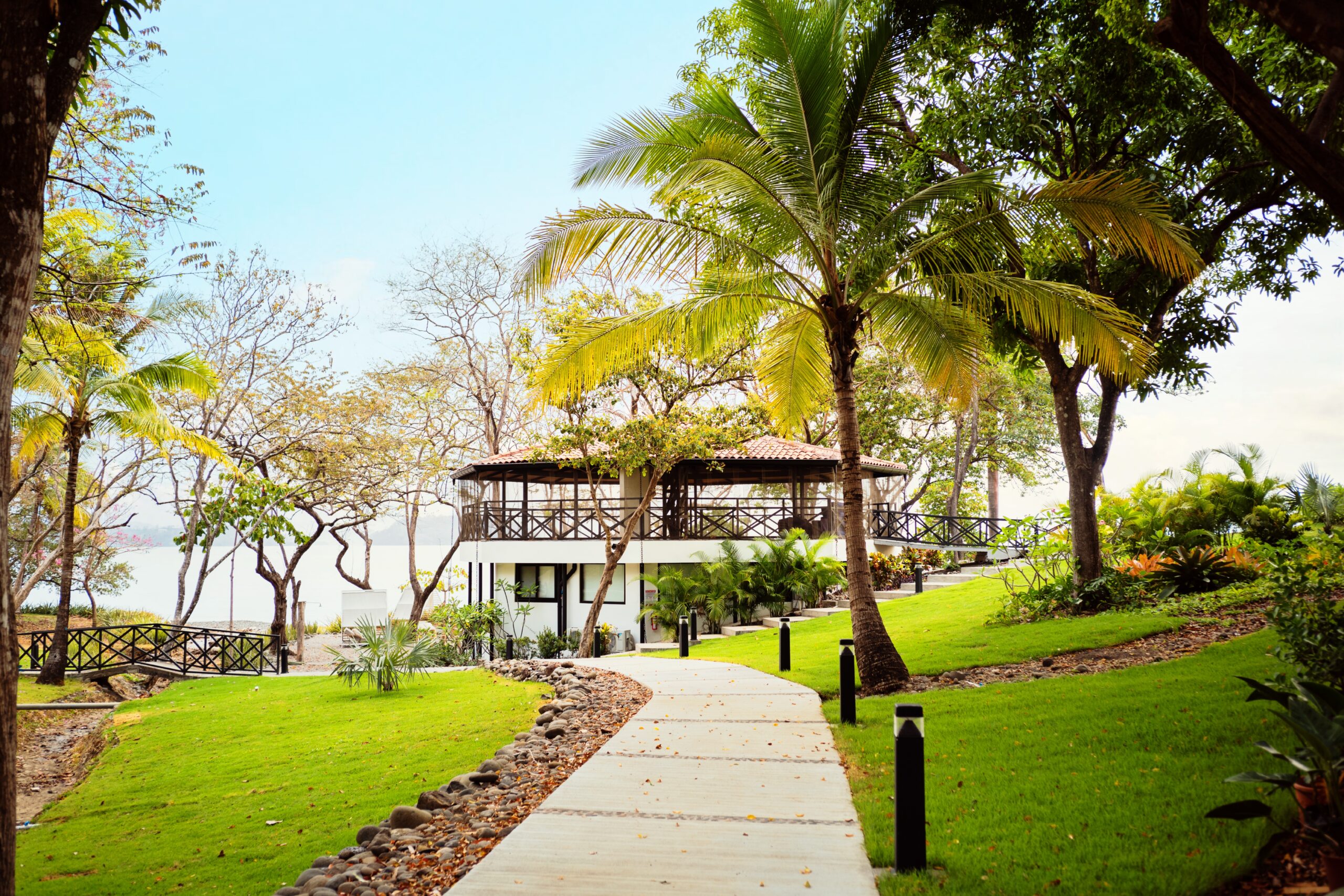
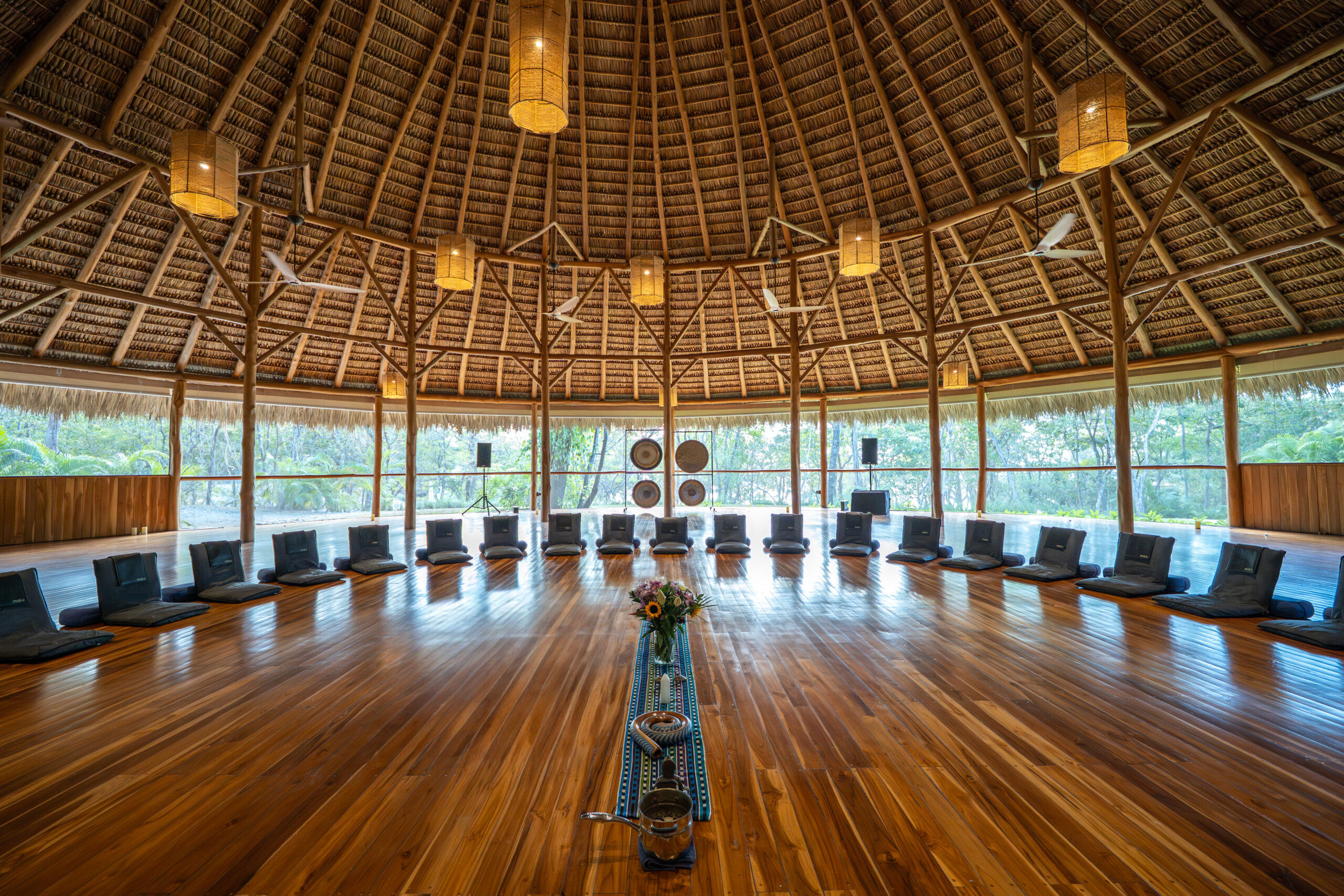
This is Reunion Wellness Resort
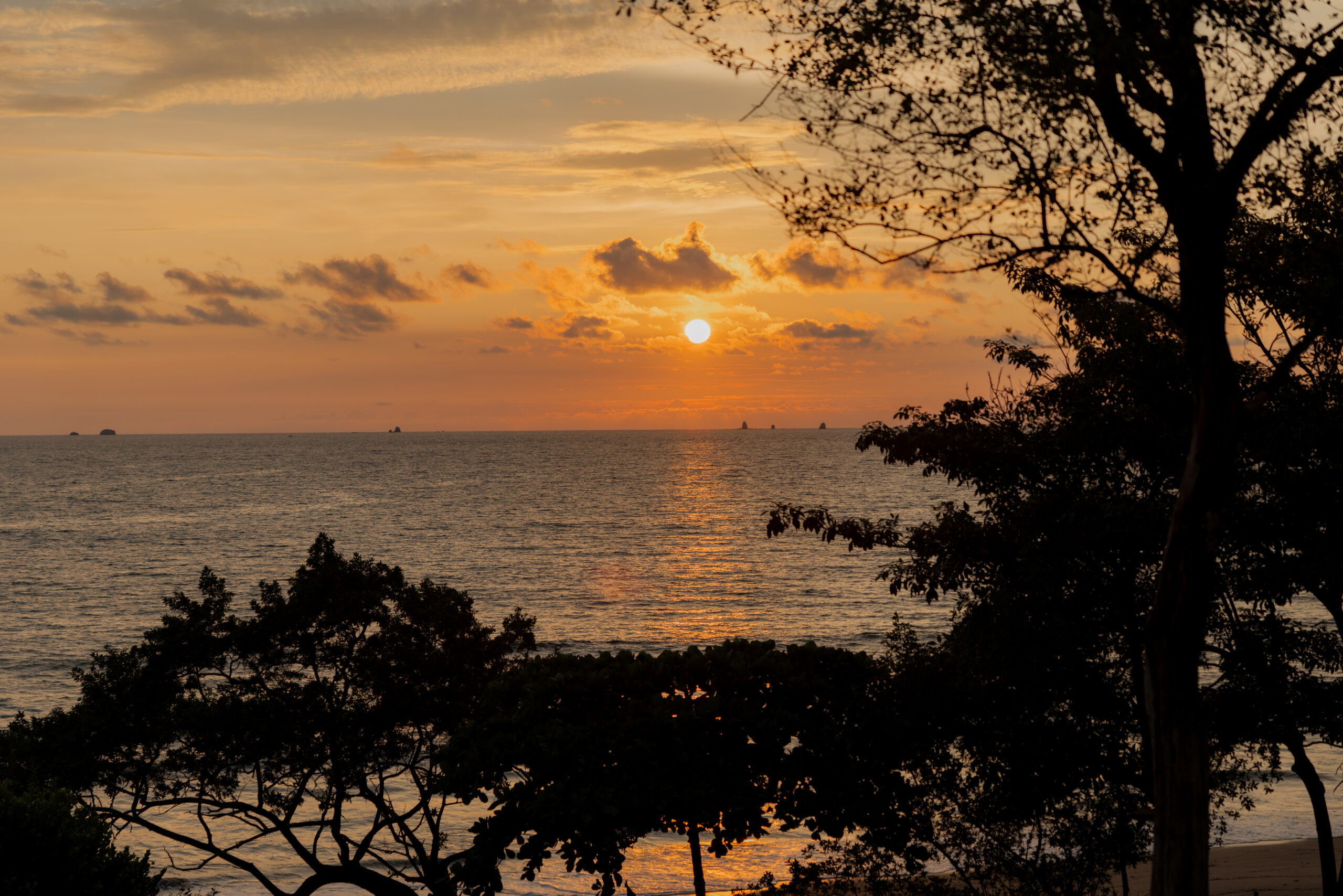
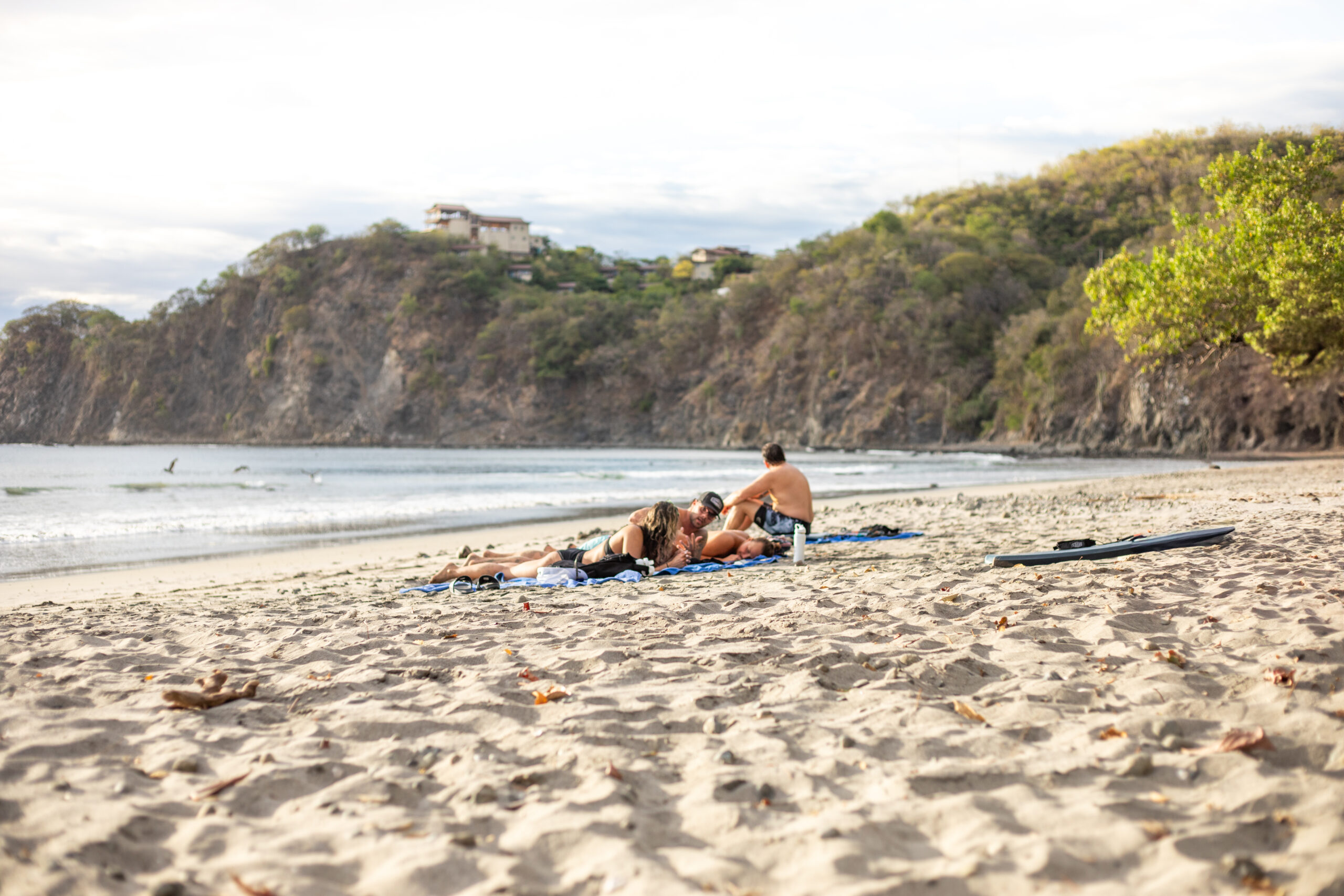
Reunion Wellness Resort is a serene beachfront retreat center in Costa Rica, chosen for the conditions it offers for learning and restoration.
The quiet, the sea, healthy and nourishing food, calm atmosphere and the natural beauty of the setting, supports the nervous system in settling, which helps mindful self-compassion practice land more deeply.
A setting designed for rest, reflection, and integration. Read more about Reunion.
More info about your stay:
Early bird rate available until May 22nd.
The MSC-Intensive price covers course tuition, 5 nights accommodations at Reunion, all farm-to-table meals (from dinner 10/25 through breakfast 10/30), optional morning yoga and meditation practice, and access to Reunion wellness amenities (saltwater infinity pool, hot & cold plunges, infrared sauna, and fitness center).
Optional enhancements available for an additional charge include: shuttle transportation between LIR airport and Reunion, spa and wellness treatments, and laundry service
Choose a single room or a shared room with a friend/colleague.
Single room - private bath + AC
- Early bird: €4100 (approximately $4750)
- Regular: €4750 (approximately $5500)
Shared room - two queen beds, private bath + AC
- Early Bird: €3500 (approximately $4000)
- Regular: €4100 (approximately $4750)
Please note that the exchange rate can vary. Shared-room pricing is per person. We do not match roommates; participants choosing a shared room must register together or provide the name of their roommate at registration.
*CME: 20 Live AAFP Prescribed credits
The AAFP has reviewed Mindful Self-Compassion Intensive Retreat and deemed it acceptable for up to 20.00 Live AAFP Prescribed credit(s). Term of Approval is from 10/25/2026 to 10/30/2026. Physicians should claim only the credit commensurate with the extent of their participation in the activity.
AAFP Prescribed credit is accepted by the American Medical Association as equivalent to AMA PRA Category 1 credit(s)™ toward the AMA Physician’s Recognition Award. When applying for the AMA PRA, Prescribed credit earned must be reported as Prescribed, not as Category 1.
Meet your teachers

Mila de Koning
Mila de Koning has been delivering mindfulness and self-compassion courses, workshops and coaching to different audiences since 2006. She worked for years in healthcare, within the mental health sector in various positions, including as a nurse, sociotherapist, teacher and prevention worker.
Since 2011, she has focused entirely on mindfulness and self-compassion. Within the VU Medical Centre she founded the Mindfulness Expertise Centre with the aim of bringing mindfulness and self-compassion to healthcare.
Together with Marga Gooren, Mila wrote the book Heart tor the Doctor, working with self-compassion in 2020 and together they are teaching self-compassion and mindfulness to doctors and other healthcare workers.
Mila is founder of the Self Compassion Academy and De Mindfulness Academie and Lead Teacher of the mindfulness and self-compassion teacher training. The Self Compassion Academy is the European partner of the Center for Mindful Self-Compassion (San Diego, U.S.A).
Sarah-Anne Schumann
Dr. Sarah-Anne Schumann, MD, MPH is a physician who blends scientific training with heart-centered healing. She’s board-certified in both Family Medicine and Lifestyle Medicine. Her path has been shaped by a deep commitment to helping people feel well from the inside out.
She graduated from Harvard College, Harvard Medical School, and Columbia University’s Mailman School of Public Health. She previously served on the medical school faculty at the University of Chicago and the University of Oklahoma–Tulsa, and most recently held the role of Chief Medical Officer at Aetna Better Health of Oklahoma.
Alongside her medical career, she pursued additional training that aligns with her passion for integrative care. She completed several mindfulness teacher trainings, including Tara Brach and Jack Kornfield’s Mindfulness Meditation Teacher Certification Program (MMTCP), Brown’s Mindfulness Based Stress Reduction (MBSR) teacher training, and Mindful Self-Compassion (MSC) teacher training through the Self-Compassion Academy.
She completed a certificate in plant-based nutrition through Cornell and the T. Colin Campbell Center for Nutrition Studies, and is an RYT-500 advanced teacher of therapeutic yoga with additional training in chair yoga and restorative yoga and breathwork.
Frequently asked questions
* The science behind the program
Germer, C. K., Neff, K. D. (2013). Self-compassion in clinical practice.
Smeets, E., Neff, K., Alberts, H., Peters, M. (2014). Meeting Suffering With Kindness: Effects of a Brief Self-Compassion Intervention for Female College Students.
Breines JG, Chen S. (2012) Self-compassion increases self-improvement motivation.
In deze video deelt psycholoog Kristin Neff haar inzichten van 15 jaar wetenschappelijk onderzoek naar zelfcompassie.
What is Mindful Self-Compassion?
Mindful Self-Compassion is a training program that is based on scientific research and is accessible to everyone. The program emphasizes the practice of self-compassion and is rooted in mindfulness. MSC equips participants with vital skills and exercises to help them respond to difficult situations and challenging moments with kindness and care towards themselves.
What is MSC not?
It’s important to note that MSC is not a retreat in the traditional sense, as we encourage sharing experiences as part of the learning process. It’s also not considered psychotherapy. The program is designed to help individuals tap into their inner strength and learn to cope with difficulties, rather than the difficulties themselves being the topic of the conversation. This is also a key difference between MSC and therapy. Participants are expected to take responsibility for how they use these sources of strength to navigate challenging emotions and situations.
What is it that we do during MSC?
The MSC program is a mindfulness-based compassion training program designed to help participants experience self-compassion. The course includeses that can be easily integrated into everyday life. The training comprises education, guided short meditation exercises, reflection exercises, sharing experiences in small groups and large groups, and suggestions for homework. Typically, the training is offered in an 8-week format, only senior MSC teachers can provide the opportunity to experience the full MSC program in a more intensive format.