
Self-Compassion for Shame 8-Week Online Course
Everyone encounters shame, but how you respond to it can make the difference between being trapped in cycles of self-criticism or reversing it’s impact. In this 8-week self-compassion for shame course, you’ll learn how to lose that grip.
- April 7, 14, 21, 28 | May 12, 19, 26 | June 2
- 7.00 - 9.30 pm CET
- Mila de Koning & Natalie Bell
- Guest lecture by Christopher Germer
- 625 (icluding free weekly practice sessions)
Why this course?
Shame is one of the most painful emotions you can experience. It leaves you feeling exposed, flawed, or unworthy of connection. Unlike guilt, where the focus is on something you did, shame tells you that you are the problem.
Shame has the power to shape us as a person, and prevents us from following our inner compass and being our true selves. Researcher and clinical psychologist Christopher Germer has scientifically explored how shame and self-compassion are correlated.
In this course, you’ll learn how to cope with feelings of shame, using Germer’s scientific insights. We’ll dive into the theory behind (body) shame and self-compassion and you’ll learn how to release feelings of shame in your daily life.
What you'll learn
This course helps you to cultivate greater self-kindness and release feelings of shame and self-criticism. You’ll learn…
- Why shame is one of the most difficult emotions
- How self-compassion acts as an antidote to shame
- Identify your personal disconnections that lead to shame
- Self-compassion exercises to release feelings of shame
- How to reduce self-criticism and build inner strength
- Deepen your understanding of yourself with meditations and (reflective) exercises
- Guest lecture and Q&A with Christopher Germer
What to expect?
Over the course of eight weeks, we’ll explore the science behind self-compassion for shame, as researched by Christopher Germer, who will also join us for a guest lecture and Q&A.
The weekly sessions last 2,5 hours. We’ll go over the weekly theory, practices, meditations, and reflective exercises in the group
Each session focuses on a different part of the program, allowing you to gradually integrate all aspects of the practice.
The program follows a gentle pace, with plenty of time between sessions to practice and reflect.
Why self-compassion?
Because it…
- increases life satisfaction
- reduces stress and anxiety
- boosts happiness and vitality
- decreases depressive thoughts
- fosters a more positive state of mind
- supports a stable sense of self-worth
- reduces self-criticism and (body) shame
What others are saying about the course
How participants rate the course
-
95% said their experience of shame changed
as a result of the course - 95% would recommend the course
- 86% would consider taking the course again
-
86% had better mental and emotional
wellbeing after the course
Practical details
For who: Anyone who has completed a MSC course (either the full week or the Core Skills)
When: Tuesdays; April 7, 14, 21, 28 | May 12, 19, 26 | June 2
Time: 7.00 – 9.30 pm CET
Optional online practice sessions: Thursdays 7.00 – 8.00 pm CET
Where: Online (via Zoom)
Course fee: € 625
Guest lecture and Q&A with Chris Germer, the founder of the program
Do you have any questions about this course or the MSC program? See our frequently asked questions below or feel free to contact us. We can help you find the right course or workshop that fits your needs.
Your teachers for this course
This Mindful Self-Compassion course is taught by:
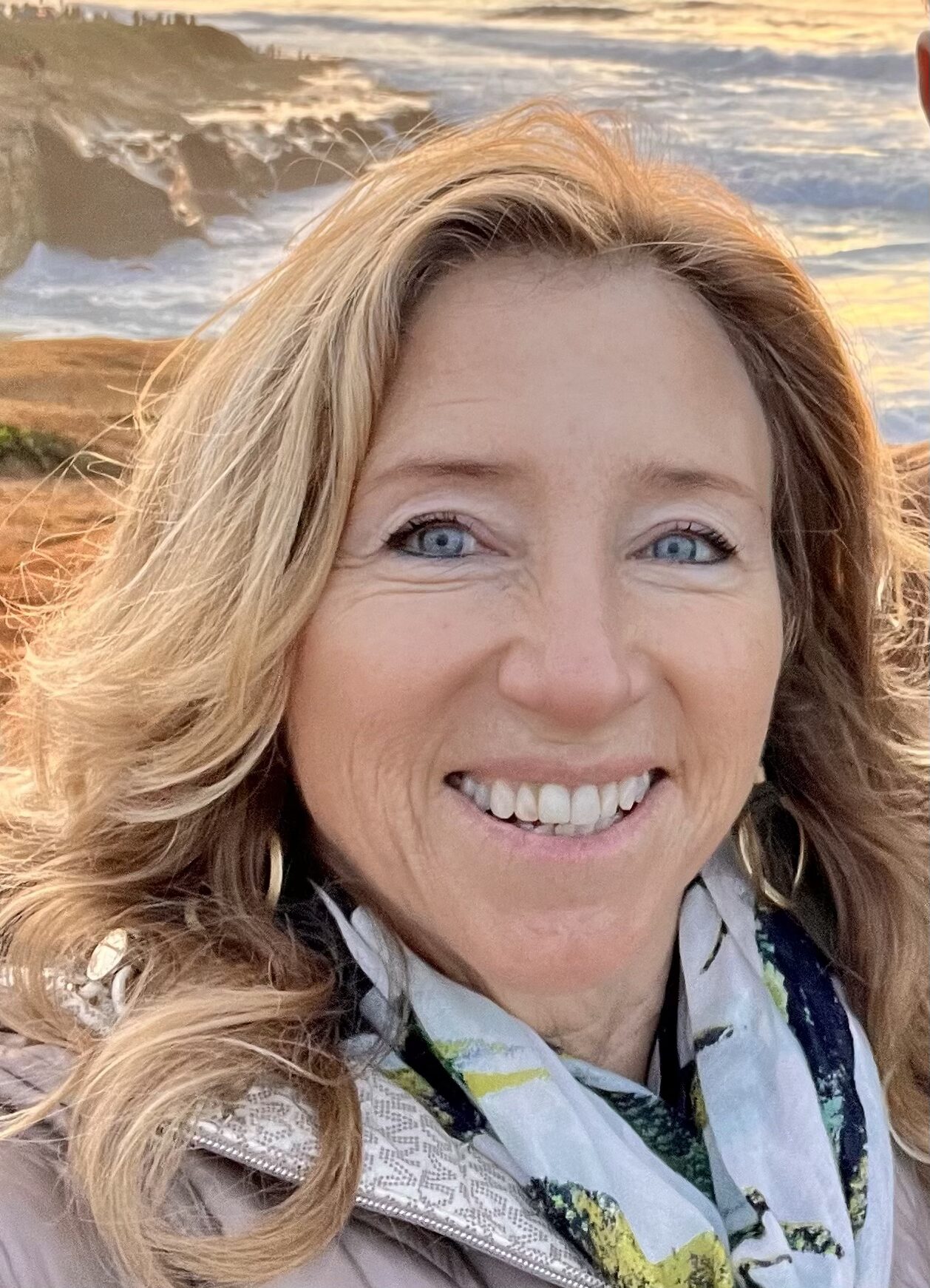
Mila de Koning, founder of the Self-Compassion Academy, senior certified MSC teacher trainer and supervisor.
Natalie Bell, senior certified MSC teacher. Together with Chris Germer, Natalie co-developed this Self-Compassion for Shame course.

Frequently asked questions
What is the Self-Compassion Academy?
The Self-Compassion Academy is a non-profit organization committed to spreading compassion all over the world. We’re a team of teachers, psychologists, and practitioners brought together by one shared mission: to help you cultivate self-compassion. The Self-Compassion Academy is founded by Mila de Koning. Mila has been delivering mindfulness and self-compassion courses, workshops and coaching to different audiences since 2006.
What is mindful self-compassion?
Mindful self-compassion (MSC) is a research-backed approach that combines mindfulness and self-compassion to strengthen emotional well-being and resilience. The training program is based on scientific research and emphasizes the practice of self-compassion, which is rooted in mindfulness. It helps you to respond to difficult situations and challenging moments with kindness and care towards yourself.
Who developed this program?
Christopher (Chris) Germer, PhD is one of the co-developers of the Mindful Self-Compassion program with Dr. Kristin Neff.
Chris Germer developed the Self-Compassion for Shame course with a development team, offering a structured, non-pathological way to understand shame and work with it through specific self-compassion practices.
Is this program for me?
The program is designed for psychologically stable adults and is open to everyone. Our teachers are dedicated to providing a learning environment that is both safe and supportive. To ensure the safety of our participants, we kindly request that you disclose any relevant information about your physical and psychological health during the registration process. In case we find any reason to believe that this training may not be suitable for you, we may contact you post-registration.
If you are dealing with any psychological issues, we advise you not to participate in the intensive MSC program or the 8-week program. Instead, we suggest that you seek individual therapy to work on developing self-compassion. Individual therapy allows for a personalized approach that takes into account your unique needs and vulnerabilities, unlike a group setting.
What are the effects of practicing self-compassion?
Studies have shown that self-compassion can improve emotional and physical resilience and may even act as a preventative measure. The program helps us learn to love ourselves unconditionally when we need it most. This process can be positive and energizing, but it can also be challenging and painful as difficult feelings may arise. The saying, “Love reveals everything but itself” captures this aspect of emotional healing, where feelings like sadness that were previously ignored can now be processed.