
The second arrow: why we suffer twice, and what to do about it
This is what science says about self-criticism, rumination, and how to stop making hard moments harder.


This is what science says about self-criticism, rumination, and how to stop making hard moments harder.

We hate to break it to you, but overthinking won’t solve your problems. So what will? Here’s what science suggests you do instead.
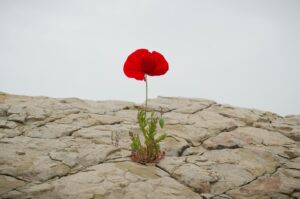
What makes one person bounce back while another gets stuck? Is it just personality? Luck? Or something you can actually learn?

We often confuse shame with fear or anxiety. That makes it difficult to process and let those emotions go.

Through self-compassion, you can access your own inner strength.

This shift helps you feel safe enough to reveal more of your authentic self, building the connection that shame tries to protect.

We all think. But what do you do when the thinking becomes obsessive and make you feel anxious?

Is you inner dialogue making you feel anxious, stressed, or sad? This is how you try to reshape this self-talk.

After all those years of researching, what do we know about the effects of mindfulness meditation?

Taking time to reflect on the past year (or even the past month, week, or day) helps shape future decisions, actions, and beliefs. So how does it actually work?

Although the commercials make it seem like Christmas is all love and togetherness, the reality is often a bit more messy.

Mindful Self-Compassion Teacher Mila de Koning explains what moral stress is and how to cope with these distressing feelings.

Feeling numb or overwhelmed by everything that’s going on in the world? Self-compassion is a vital source of emotional stability when life feels unstable.

Modern life can be exhausting, and there are moments when everything feels too much. What actually helps when you’re overwhelmed?

The course itself doesn’t necessarily change you, it’s what you take with you afterward in your day-to-day life that does.

This may be the quickest (and scientifically proven) way to support yourself when you’re having a tough day.

Research shows that many of us find it difficult to be compassionate toward ourselves, particularly women.

Backdraft is an inevitable part of healing and recovery from past hurts and trauma. The best way to handle these emotions? Take a step back.

If self-compassion is more effective that blaming yourself, why do we tend to be so hard on ourselves? Our culture and evolution explains why.

Negative spirals are more than just overthinking. And while you can’t always prevent the start of a spiral, you can try to interrupt it.

Ever found yourself saying yes when you meant no? Or afraid to speak up for yourself? This exercise helps setting boundaries.

To mark the occasion, Mila de Koning will be leading a special session titled ‘Finding Resilience Through Self-Compassion’ on July 26.

How can I be kinder to myself? Not just in theory, but in the messy reality of everyday life?

Mindfulness is being kindly present in the moment. Meditation is one way to achieve that, but there are plenty of other exercises you can do.

What does the research really say about the effects and scientific evidence behind self-compassion?