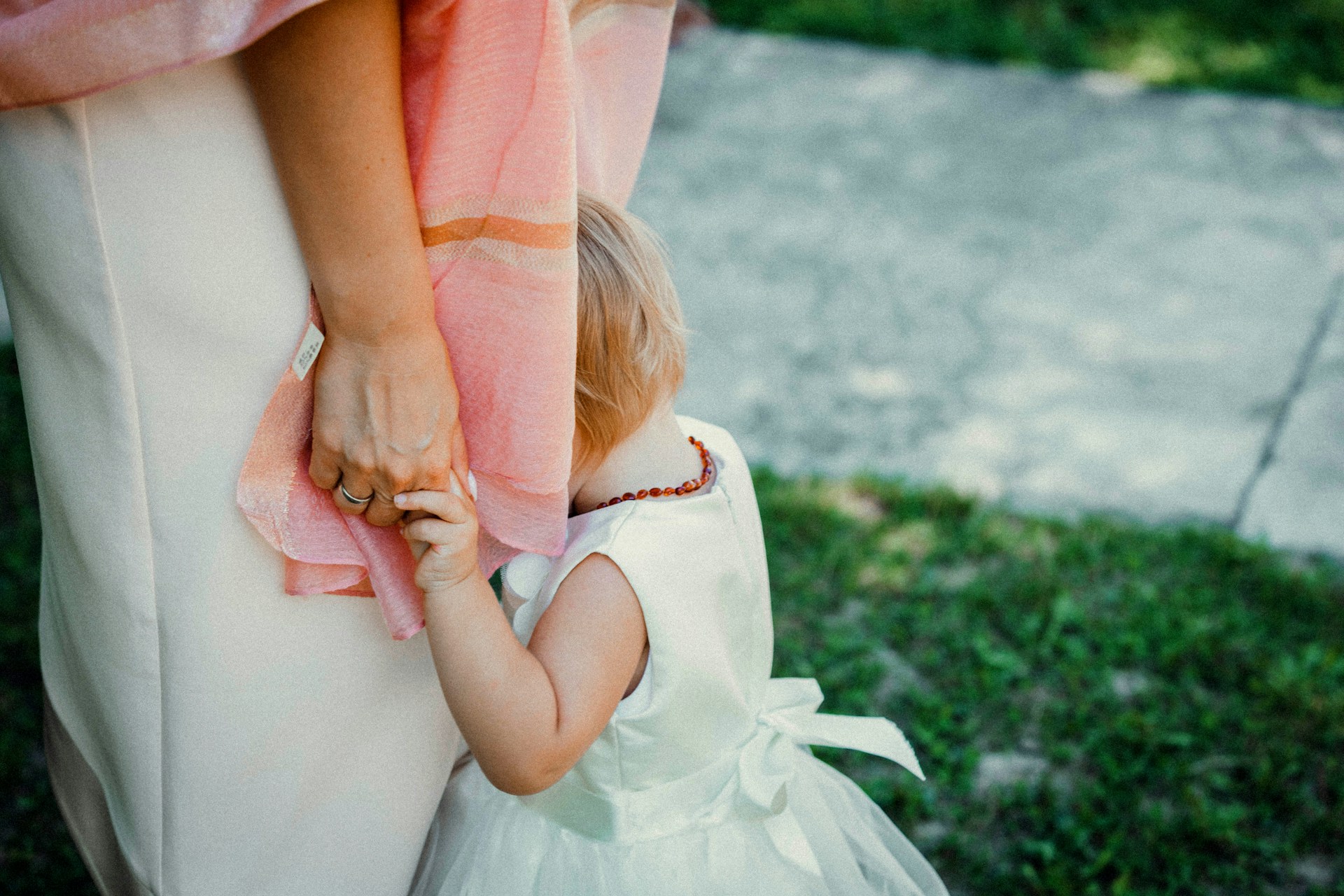

Although the commercials make it seem like Christmas is all love and togetherness, the reality is often a bit more… messy. How do you stay mindful during the holidays, with all the pressure that comes with them?
The holiday season can be joyful and full of laughter, but that’s not always the reality. It can also be stressful (think gift shopping, high expectations, and traveling between families) or tense (thanks to family dynamics), or even lonely. When the season doesn’t match what you hoped for or expected, self-compassion and mindfulness can help you reconnect with yourself.
How can mindfulness help during Christmas?
As we wrote earlier, mindfulness encourages a non-judgmental attitude, creating more space in your mind. That space can then be filled with kind awareness: awareness of what is, rather than – as we so often do – judging what is.
Judgments tend to arise automatically. Often you don’t even notice them, because they feel like an inherent part of who you are. You don’t see these judgments for what they really are: thoughts. When you learn to notice your judgments with kindness, you can let unhelpful thoughts pass and make wiser choices about which ones to follow.
During the often busy holiday season, mindfulness can help you slow down, release stress, tension, or sadness, reconnect with your energy. It can help to interrupt the negative spiral in your mind and focus on the parts of the season that nourish you.
How can I make Christmas more mindful?
There are many ways to bring more mindfulness into your Christmas days. Some are short exercises that can quickly lift your mood (did you know that just 20 seconds of mindfulness can already help you return to a calmer state of mind?), others take a bit more time.
- Start your day with a self check-in. Answer the following questions for yourself: What am I feeling right now, physically and emotionally? What’s been on my mind today? What do I need right now? What do I need to hear to be kind to myself?
- Make a list of the things you’re grateful for. Maybe you write down three things you’re grateful for today, maybe you make a list of all the things you were grateful for this year. Practicing gratitude is a quick and proven way to feel happier. Don’t forget to reflect on the things you’ve done well. What are you proud of? Which qualities of yourself are you thankful for?
- Carve out some time for yourself. When you notice you’re feeling overwhelmed or tense, the best approach is to pause (perhaps even longer than you’re used to) and do something for yourself. Carve our some time to do something you enjoy, like taking a walk, reading a book, painting, or anything else that restores your energy
- If you notice that your inner critic is getting loud, take a pause. Take a deep breath, and ask yourself: what would I say to a dear friend right now? Try to give yourself the same care and understanding.
- Ground yourself. Mindfulness-based approaches often describe grounding as “coming home to the body”. Finding your way back to yourself can help you to return to a sense of inner steadiness. These grounding techniques may help.
More exercises? Try these 5 mindfulness exercises that are not meditation
Credits image: Morgane Le Breton